
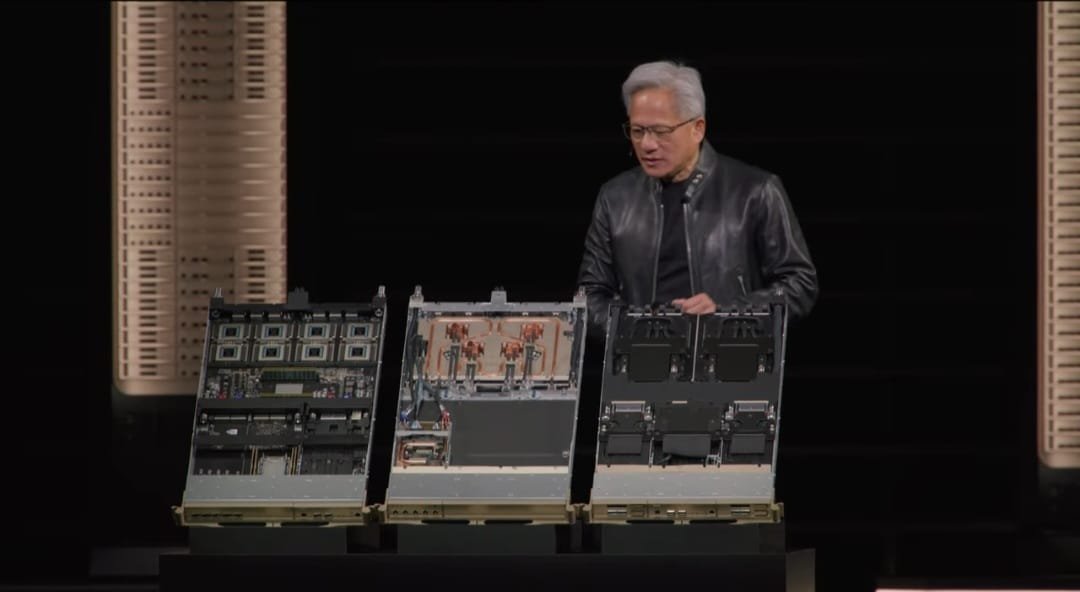
Samsung Electronics unveiled new high-bandwidth memory technologies and AI computing solutions at NVIDIA GTC 2026 in San Jose, highlighting a deepening partnership with NVIDIA as demand for artificial intelligence infrastructure continues to rise.
The company introduced its sixth-generation HBM4 memory, which has entered mass production and is designed for NVIDIA’s upcoming Vera Rubin AI platform. Samsung said the new memory delivers processing speeds of 11.7 gigabits-per-second (Gbps) per pin, surpassing the typical 8Gbps industry standard, with potential improvements reaching up to 13Gbps using its sixth-generation 10-nanometer-class DRAM process.
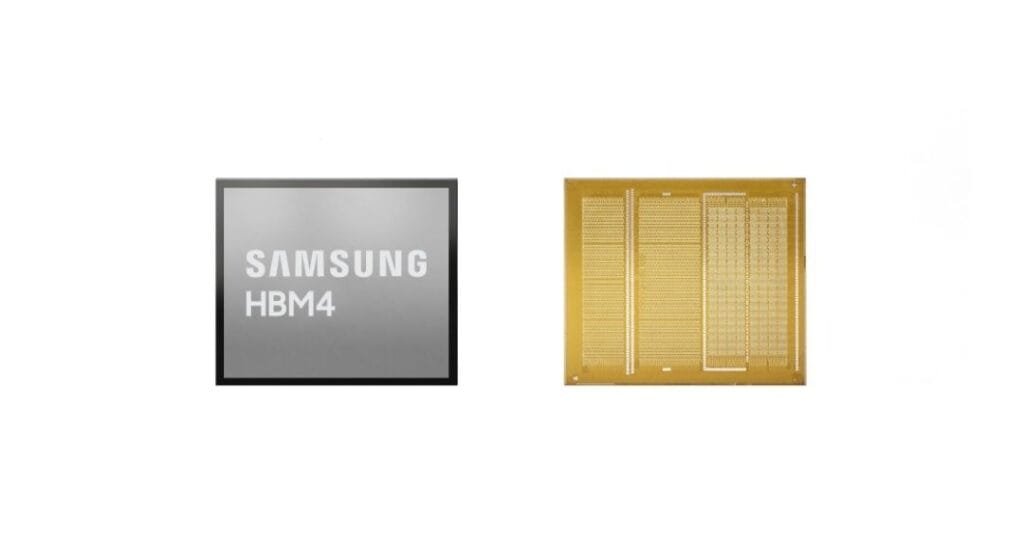
Samsung also unveiled its next-generation HBM4E memory for the first time, capable of delivering up to 16Gbps per pin and bandwidth of 4.0 terabytes per second, aimed at supporting future AI workloads and large-scale data center deployments.
The company additionally showcased hybrid copper bonding technology designed to enable memory stacks of 16 layers or more while reducing heat resistance by over 20 percent compared with traditional thermal compression bonding.
Samsung’s booth also highlighted several technologies built for NVIDIA AI systems, including SOCAMM2 server memory modules and high-performance SSD storage solutions such as the PM1763 PCIe 6.0 drive and PM1753 SSD for accelerated AI infrastructure.
Beyond data centers, Samsung said it is collaborating with NVIDIA to expand AI Factory initiatives using accelerated computing and digital-twin technologies powered by NVIDIA Omniverse to improve semiconductor design and manufacturing.
The company also presented memory solutions for personal AI devices and mobile hardware, including LPDDR5X and LPDDR6 DRAM designed to support faster on-device AI processing in smartphones, tablets and wearables.
Source: Nvidia GTC 2026, Samsung Newsroom
Discover more from wazzuptechph
Subscribe to get the latest posts sent to your email.