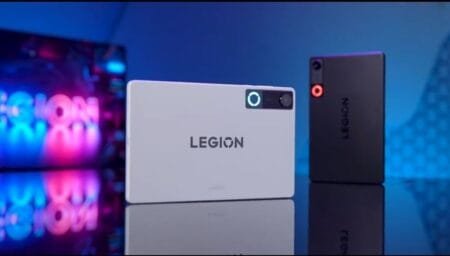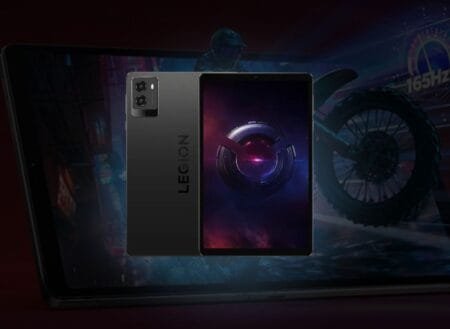

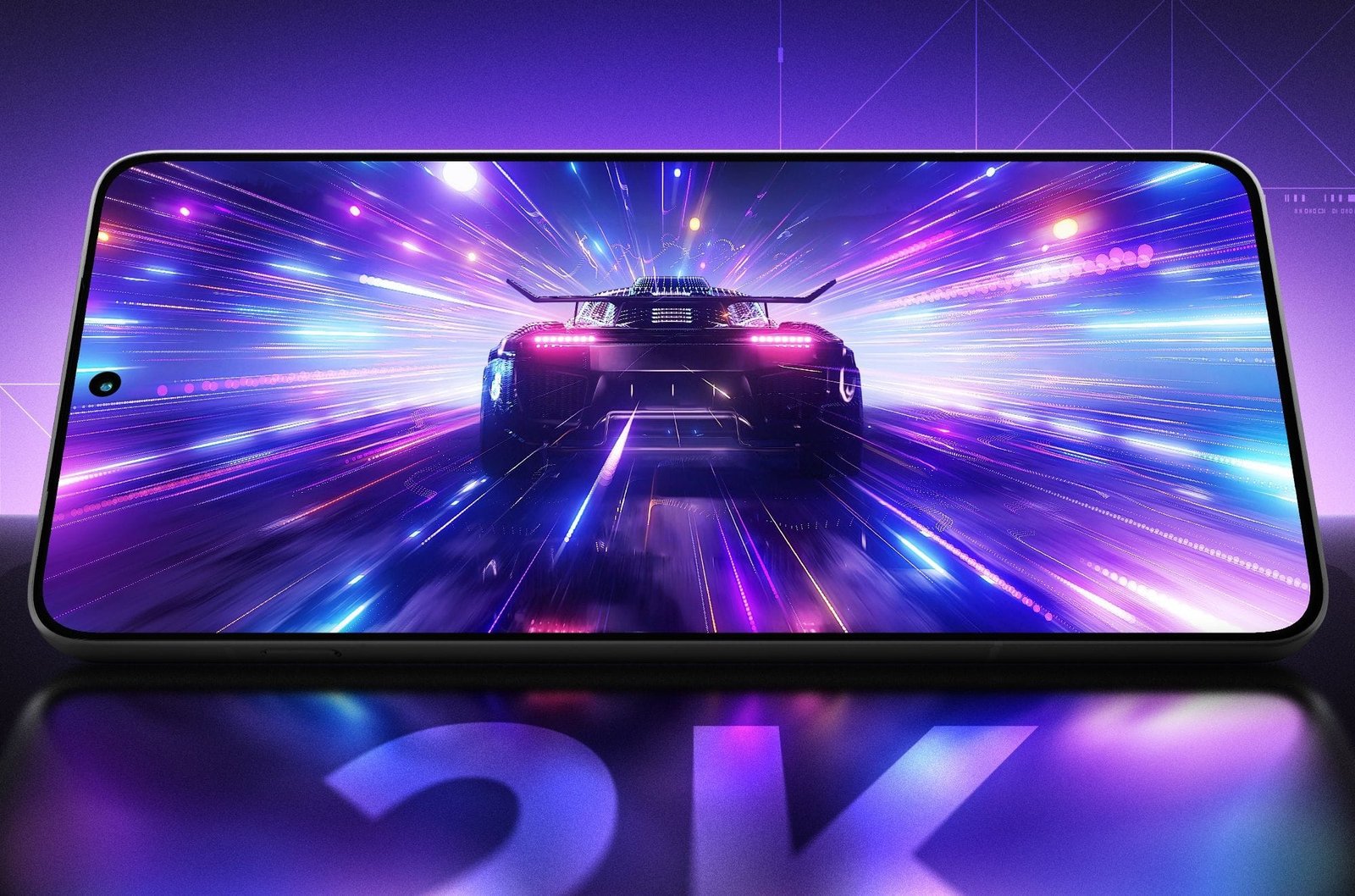
Lenovo has confirmed that its next-generation gaming smartphone, the Legion Y70 (2026), will launch on May 19 in China during its Tianxi AI ecosystem event. The device is positioned as a dedicated AI-era gaming terminal, featuring a Snapdragon 8 Gen 5 chipset, an 8,000mAh battery, a 2K high-refresh display, and a new multi-layer “Heaven and Earth Condensed Gold” cooling system designed to address sustained performance demands in mobile esports.
Launch Overview
Lenovo is reviving its Legion smartphone line with a clear shift in positioning: not just a gaming phone, but a core device in its broader “Savior” ecosystem of gaming laptops, tablets, and peripherals. The May 19 launch event—branded as the Tianxi AI All-in-One Multi-Terminal All-Scenario Super Night—will serve as the debut stage.
The company has been steadily releasing teasers on Weibo, highlighting both hardware upgrades and a renewed focus on AI-assisted gaming workflows.
Lenovo Legion Y70 (2026) Key Specifications
| Category | Details |
|---|---|
| Launch Date | May 19, 2026 |
| Market | China (initial release) |
| Chipset | Qualcomm Snapdragon 8 Gen 5 (expected) |
| Battery | 8,000mAh |
| Display | 2K resolution, high refresh rate gaming display |
| Power Optimization | AI-based power management |
| Cooling System | “Heaven and Earth Condensed Gold” (gel + liquid metal + VC cooling) |
| Positioning | AI-focused gaming smartphone |
Cooling System: A New Direction for Sustained Performance
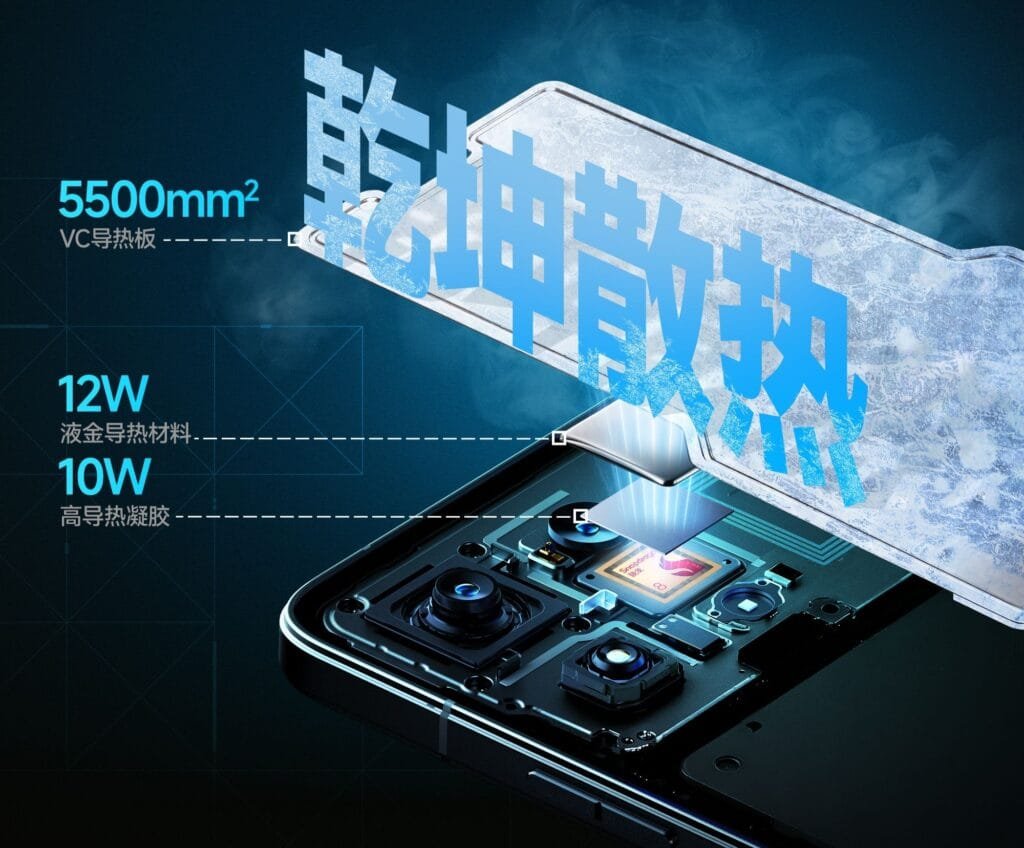
One of the most heavily promoted features is Lenovo’s new thermal solution, described as an industry-first hybrid system combining:
- Gel-based thermal layers
- Liquid metal interface materials
- Vapor chamber (VC) cooling
This multi-material stack is designed to improve heat dissipation efficiency under prolonged gaming sessions. Lenovo claims the system enables a “cool core,” suggesting better sustained clock speeds without aggressive throttling, a critical factor for competitive mobile gaming.
Display and Power Efficiency
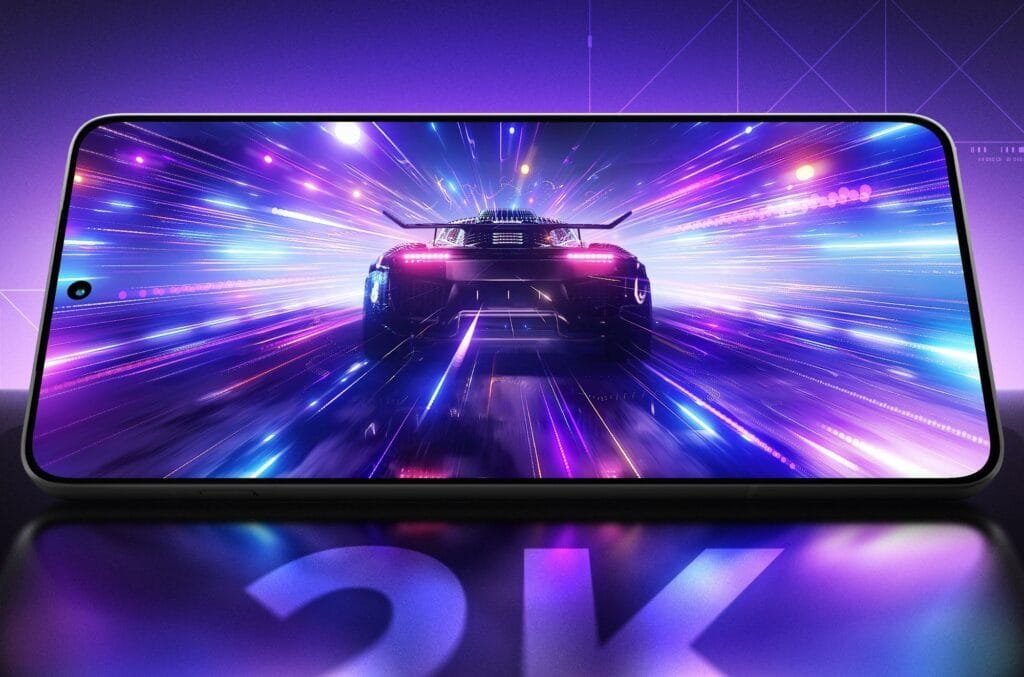
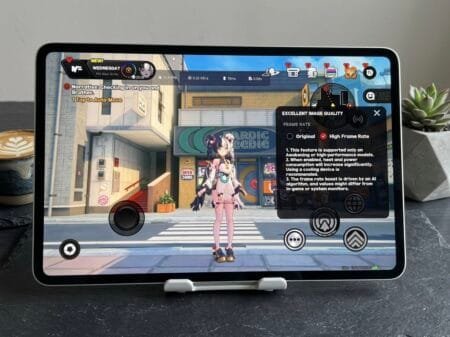
Lenovo also confirmed that the Legion Y70 will feature a 2K high-speed gaming display paired with AI-driven power optimization.
Notably, the company claims:
- Lower power consumption than typical 1.5K panels
- High-definition visuals without battery trade-offs
- AI-managed performance scaling during gameplay
If accurate, this could address one of the long-standing trade-offs in gaming phones: resolution versus battery endurance.
AI Gaming Integration
Beyond hardware, Lenovo is framing the Y70 as part of an AI-integrated gaming ecosystem, not a standalone device.
According to official messaging, the phone will support:
- AI-assisted performance scheduling
- Adaptive game optimization
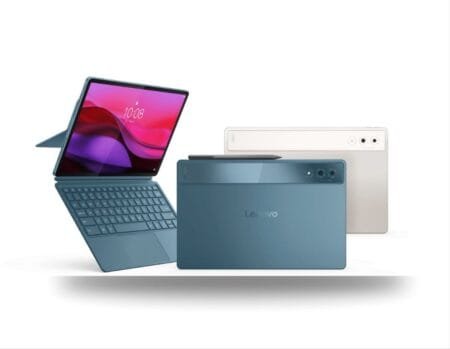
- Seamless integration with Legion laptops and tablets
- Unified control settings across devices
The company is positioning AI as a “reliable partner” rather than a background feature, emphasizing smoother gameplay and system-level coordination.
Product Positioning: Filling a Gap in the Legion Ecosystem
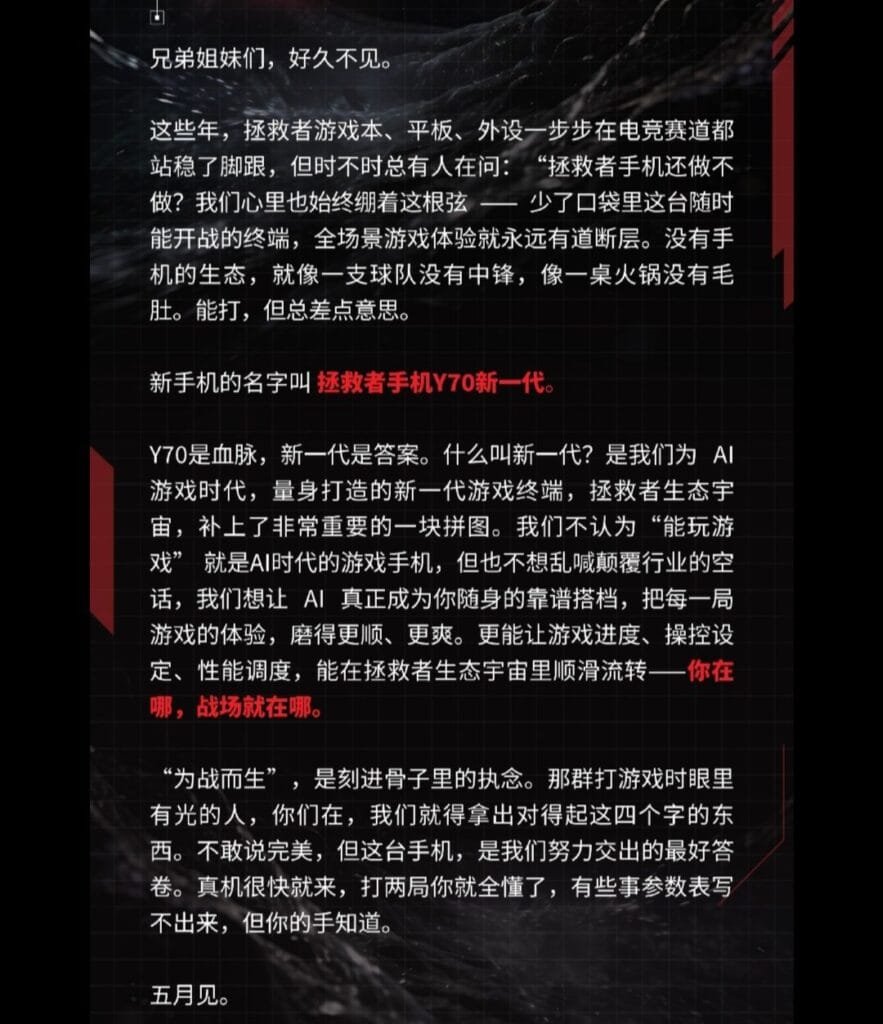
Lenovo’s internal messaging makes it clear that the Legion Y70 is meant to complete its gaming hardware lineup. The absence of a smartphone has been described as a missing “center forward” in its ecosystem strategy.
The new device is framed as:
- A portable extension of the Legion gaming environment
- A dedicated terminal for AI-era gaming
- A bridge between mobile and multi-device gameplay scenarios
This signals a shift from earlier Legion phones, which focused more narrowly on raw gaming specs.
What to Watch at Launch
As the May 19 event approaches, several details remain unconfirmed but critical:
- Final GPU and CPU configuration of the Snapdragon 8 Gen 5
- Charging speed and battery management features
- Gaming-specific controls (triggers, haptics, software overlays)
- Global availability beyond China
Bottom Line
The Legion Y70 (2026) represents Lenovo’s attempt to re-enter the midrange gaming phone segment with a more integrated, AI-driven approach. Instead of competing purely on specs, the company is tying the device to a broader ecosystem strategy, where performance, cooling, and cross-device intelligence are central to the experience.
The success of that approach will hinge on its practical application, especially concerning thermal efficiency and actual improvements in gaming, aspects Lenovo is strongly highlighting before the release.
Discover more from wazzuptechph
Subscribe to get the latest posts sent to your email.