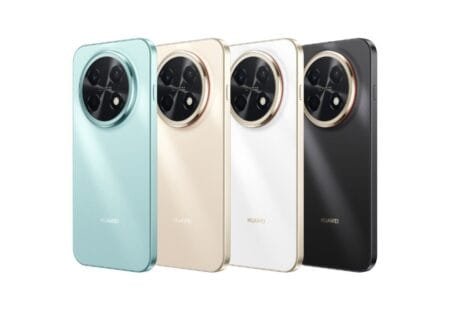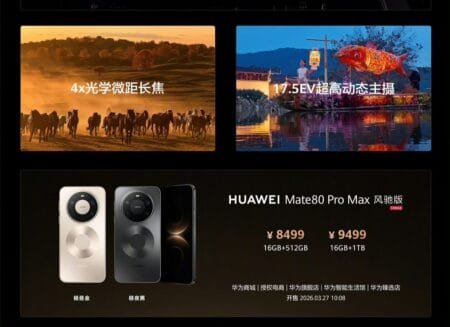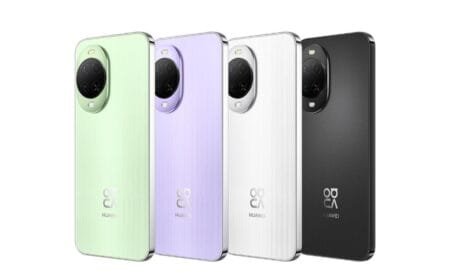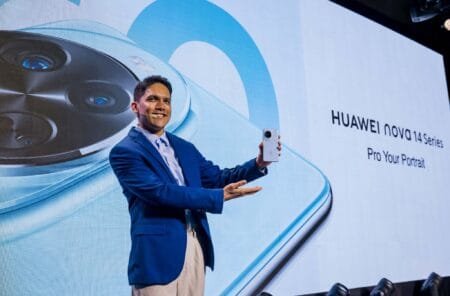

To recap the situation, Huawei’s Kirin chip is making a global comeback, though not a complete one. The Mate 60 series with its Kirin chipset had a successful relaunch in China in 2023, but ongoing US restrictions are holding back a full global release.
Once a leading smartphone manufacturer, Huawei faced significant setbacks after being added to the US Entity List in 2019. This severely limited its access to US supply chains, including essential components like Google services and advanced chipsets. In response, Huawei developed its own operating system, HarmonyOS, and sought alternative chip suppliers.
The August 2023 launch of the Mate 60 series marked a crucial turning point. Equipped with the Kirin 9000s chipset, manufactured by SMIC using 7nm technology, it revived Huawei’s flagship smartphone line and fueled a surge of national pride in China.
Despite this success, significant obstacles remain in Huawei’s pursuit of global dominance. The US Entity List prevents the inclusion of Google services on its devices, reducing their appeal in markets heavily reliant on the Google Play Store. Moreover, Huawei’s inability to source 3nm chips (due to SMIC’s limited access to advanced lithography equipment) puts it at a disadvantage against competitors like Samsung and TSMC, which utilize more advanced chipsets.
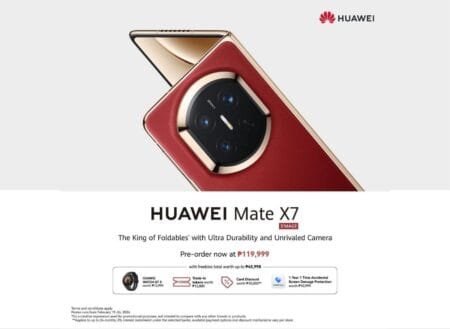
Despite these challenges, Huawei is actively pursuing a global comeback, concentrating on welcoming markets. The company is targeting 60 countries, showcasing its latest foldable phone, the Huawei Mate X6, in locations such as Dubai, Kuala Lumpur, and Hong Kong. However, a return to the US market remains improbable due to ongoing strained relations.
Huawei Kirin Chip Performance
Huawei’s Kirin chip advancements continue. Following the Huawei Pura 70 series (featuring the Kirin 9010 5G chip), Huawei launched the Mate X6 with the upgraded Kirin 9020 5G processor. This chipset boasts a 40% performance improvement over its predecessors (the Kirin 9000s and 9010 5G), offering enhanced capabilities for demanding tasks and a superior gaming experience.
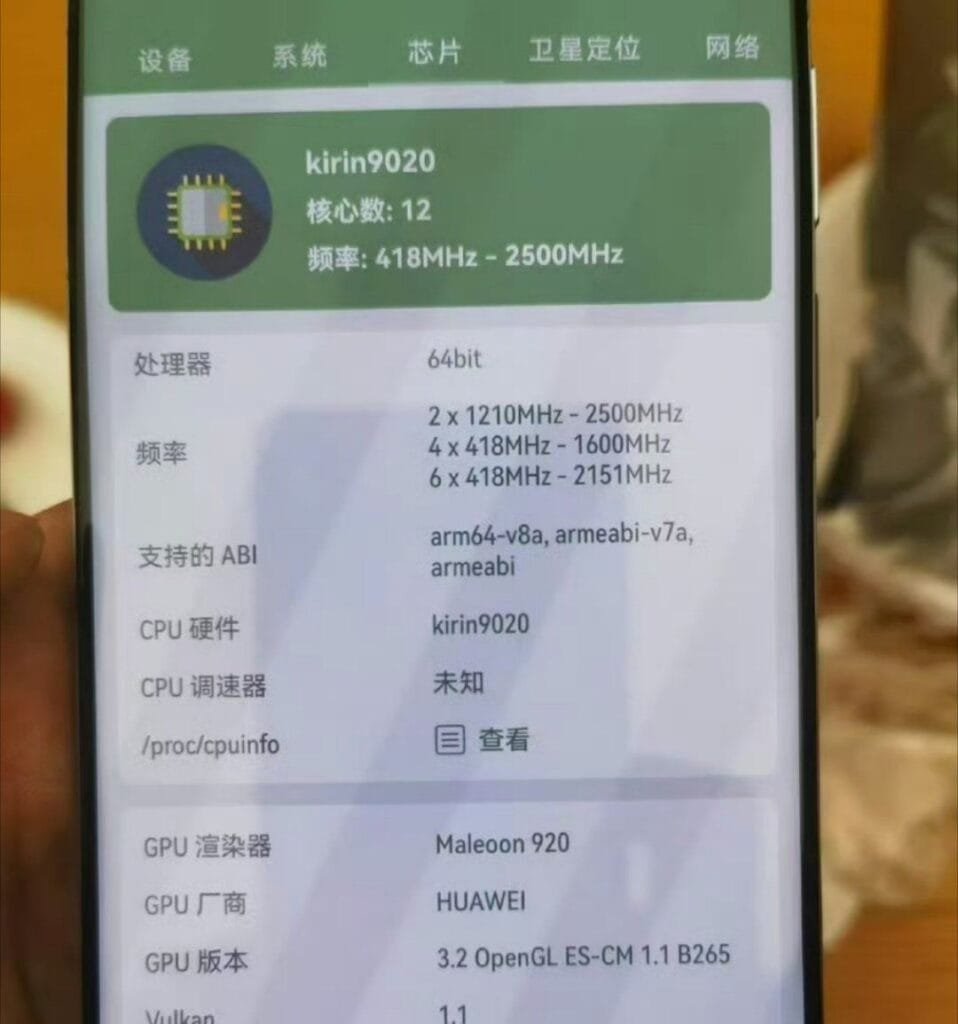
Technological Innovations: The Kirin 9020 5G chipset incorporates several innovative technologies, including the industry’s first 3GPP R18 5G-A System-on-a-Chip (SoC), along with 50% more efficient small cores and 20% more efficient medium cores. Its processor configuration is: 2 x 2.5GHz + 6 x 2.15GHz + 4 x 1.6GHz.
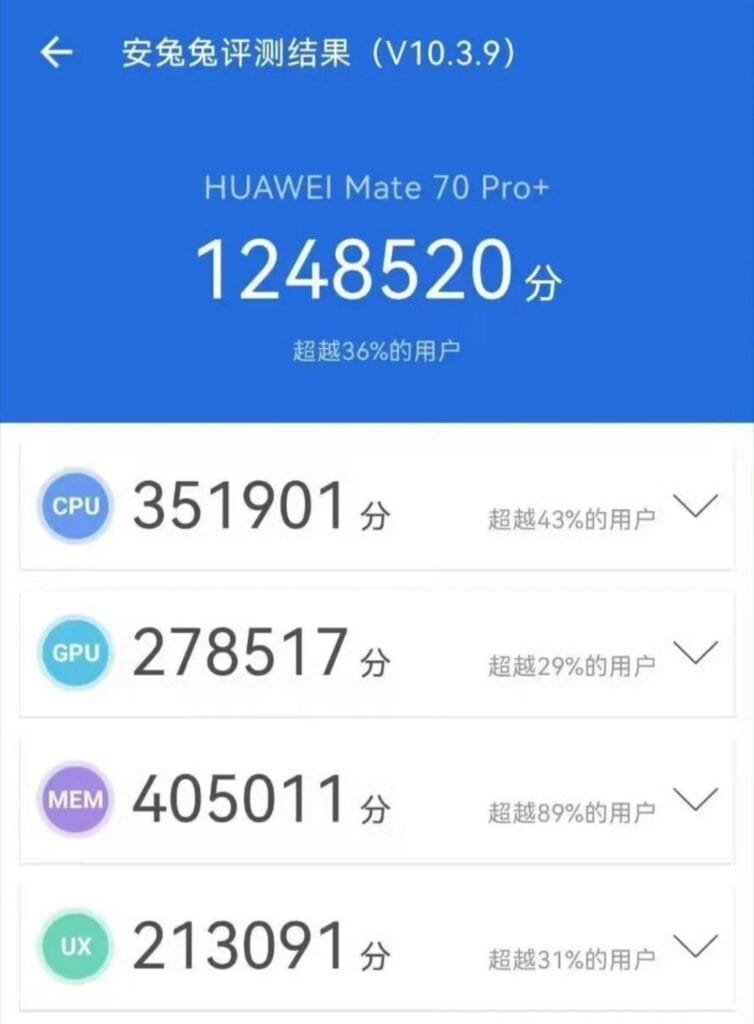
The Manufacturing Gap: Despite these advancements, Huawei still lags behind global competitors in chip manufacturing. While the industry is moving toward 2nm technology, Huawei is still refining its 5nm process. However, the company maintains that its advanced chip design provides a best-in-class smartphone experience, even with a less advanced process node.
Current Market Status and Future Outlook: Currently, the Mate X6 is the only device featuring the Kirin 9020 5G chipset available globally; the Huawei Mate 70 series remains confined to the Chinese market. However, Huawei anticipates a broader return to the global smartphone market later this year.
Huawei’s Kirin chip comeback represents a significant resurgence, especially within its domestic market. However, its global ambitions are constrained by the US Entity List and the ongoing gap in chip technology. Despite these hurdles, Huawei’s dedication to innovation and its focus on emerging markets indicate a continued push for global relevance. The company’s future success hinges on its ability to overcome these obstacles and adapt to the ever-changing global technology landscape.
Discover more from wazzuptechph
Subscribe to get the latest posts sent to your email.